Table of Contents
Introduction- Complicated UTIs Treated
Although Urinary Tract Infections (UTIs) are common, some infections may be complicated, necessitating extensive medical treatment. In contrast to uncomplicated UTIs, which infect otherwise healthy patients, complicated UTIs typically affect patients with structural abnormalities, compromised immunity, chronic illnesses, or underlying conditions.
For patients with conditions such as AL Amyloidosis, diabetes, kidney disease, or catheter use, UTIs can rapidly develop into complicated infections. It is important to know about the treatment options, complications, and prevention methods in order to protect urinary and overall health.
This in-depth guide covers causes, symptoms, treatment strategies, and prevention methods for complicated UTIs.
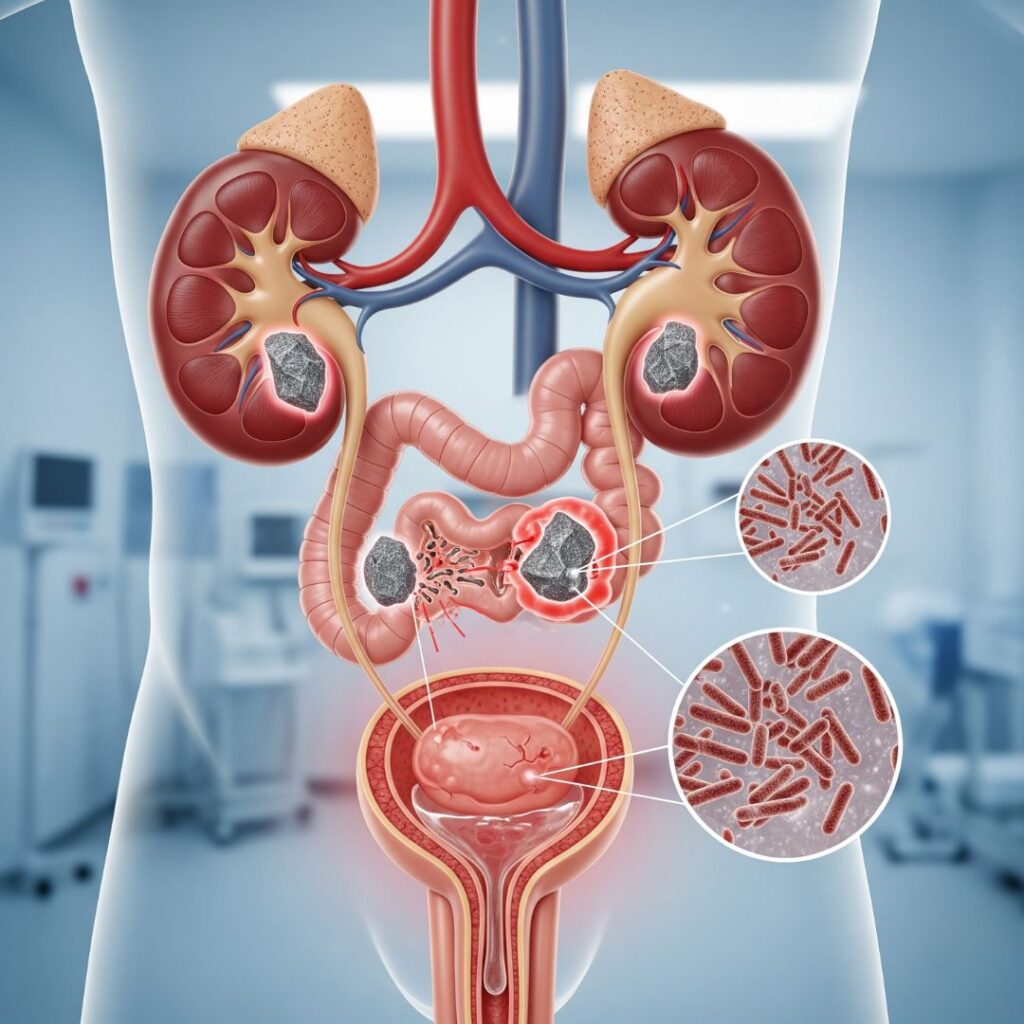
What Is a Complicated UTI?
A complex UTI results when a urinary infection is complicated by factors that complicate treatment. Such factors may be:
- Anatomical abnormalities of the urinary tract
- Kidney stones or blocks
- Catheterization or other medical equipment
- Compromised immune systems
- Chronic diseases such as diabetes or AL Amyloidosis
Uncomplicated vs Complicated UTI
| Feature | Uncomplicated UTI | Complicated UTI |
| Affected Population | Healthy adults, typically women | People with underlying health conditions |
| Common Sites | Bladder and urethra | Bladder, kidneys, and occasionally bloodstream |
| Treatment | Short-course oral antibiotics | Longer courses, possible hospitalization |
| Risk of Recurrence | Low | High |
Common Causes of Complicated UTIs
Understanding the cause is critical to effective treatment.
- Abnormalities of the Kidney and Urinary Tract
- Obstructions, strictures, or birth malformations may halt normal urine flow.
- Kidney Stones
- Bacteria may be harbored in stones, and urine is obstructed, providing a breeding ground for infection.
- Catheter Use
- Chronic or inappropriately used catheters enhance bacterial colonization.
- Immunosuppression
- Illnesses like AL Amyloidosis, chemotherapy, or long-term use of steroids diminish infection-fighting capacity.
- Past UTIs
- Repeated infections may cause resistant bacteria and complicated cases.
Symptoms of Complicated UTIs
Symptoms may overlap with uncomplicated UTIs but are usually more severe or systemic.
Common Symptoms
- Painful burning on urination
- Strong urge to urinate
- Dark, cloudy, or strong-smelling urine
- Blood in urine (hematuria)
- Pelvic or lower abdominal pain
Severe or Systemic Symptoms
- Chills and fever
- Nausea or vomiting
- Flank or back pain (suggesting kidney involvement)
- Altered mental status or confusion in older patients
Early detection of symptoms is important to avoid major complications such as sepsis or kidney damage.
Diagnosis of Complicated UTIs
A complete diagnostic process identifies the source of the infection and suggests the optimal treatment course.
Medical History
- History of past UTIs
- Medications and chronic diseases
- Catheterization or urinary tract abnormalities
Laboratory Tests
- Urinalysis: Identifies bacteria, white blood cells, and blood in the urine
- Urine Culture: Determines the specific pathogen and antibiotic sensitivity
- Blood Tests: Assesses renal function and systemic infection
Imaging Studies
- Ultrasound, CT scan, or MRI to identify kidney stones, obstructions, or anatomical problems
Treatment Strategies for Complicated UTIs
1. Antibiotic Therapy
Treatment with first-line therapy includes targeted antibiotics according to culture results.
- Intravenous (IV) antibiotics can be needed in complicated or hospitalized patients.
- Duration of treatment is more than for uncomplicated UTIs, usually 7–14 days or longer.
- Usual antibiotics are:
- Ciprofloxacin
- Levofloxacin
- Trimethoprim-sulfamethoxazole
- Beta-lactams (amoxicillin-clavulanate, cephalosporins)
Note: There are more resistant bacteria in complicated UTIs, necessitating sensitivity-guided therapy.
2. Treating Underlying Causes
- Kidney stones: May need to be surgically removed or treated with lithotripsy
- Urinary obstruction: Catheterization or stenting to re-establish urine flow
- Structural abnormalities: Surgical repair if needed
3. Supportive Care
- Hydration: Enhances urine flow to flush out bacteria
- Pain relief: Pain medications or antispasmodics for discomfort while urinating
- Monitoring kidney function: Especially crucial in patients with AL Amyloidosis or chronic kidney disease
4. Hospitalization
- Necessary for severe infection, particularly if:
- Patient has sepsis or high fever
- Kidney involvement is suspected
- Oral antibiotics are not tolerated or fail
5. Preventive and Long-Term Management
- Prophylactic antibiotics for recurrent infection patients
- Lifestyle modifications: Hydration, hygiene, voiding habits
- Regular check-ups: Monitoring urinary health and kidney function
Complications of Untreated or Poorly Managed UTIs
If complicated UTIs are not treated, they can result in:
- Pyelonephritis (kidney infection)
- Sepsis and septic shock
- Chronic kidney disease
- Recurrent or persistent infections
- Worsening underlying conditions, e.g., AL Amyloidosis
Early recognition and treatment are important to prevent life-threatening complications.
Special Considerations for AL Amyloidosis Patients
AL Amyloidosis patients can encounter special difficulties when they encounter complicated UTIs:
- Kidney involvement: Amyloid deposits impair kidney function, making infection more difficult to manage
- Immune suppression: Therapies used to treat amyloidosis can impair infection resistance
- Medication interactions: Antibiotic selection with care to prevent kidney toxicity
- Close monitoring: Frequent blood and urine work to monitor kidney status
Complicated UTI FAQs
Q1: How long does complicated UTI treatment take?
Treatment typically takes 7–14 days, depending on the severity and underlying conditions. Severely affected patients might need IV antibiotics or extended periods.
**Q2: Do complicated UTIs come back?
Yes, particularly in patients with kidney stones, urinary obstruction, or immune suppression. Preventive measures are necessary.
Q3: When do I need to go for emergency care?
Seek immediate medical care if you experience high fever, severe back pain, hematuria (blood in urine), or sepsis signs (confusion, tachycardia, hypotension).
Lifestyle Tips to Avoid Complicated UTIs
- Stay Hydrated: Drink lots of water to flush bacteria
- Good Hygiene: Wipe from front to back, clean genital area
- Avoid Holding Urine: Void bladder as often as possible
- Manage Chronic Conditions: Control diabetes or kidney disease
- Follow-Up Care: See doctor for regular check-ups, particularly for AL Amyloidosis or frequent infections
Conclusion
Complex UTIs need immediate and complete medical treatment to avoid serious complications. Treatment includes specific antibiotics, correction of the underlying cause, supportive treatment, and prophylactic measures. In individuals with AL Amyloidosis or other chronic diseases, the treatment of UTIs is even more important because of greater susceptibility and possible involvement of the kidneys.
By understanding the causes, recognizing symptoms early, and following a structured treatment plan, patients can effectively manage complicated UTIs and protect overall urinary and systemic health.