What is the significance of Bence Jones proteins?

Introduction
Bence Jones proteins are not widely recognized outside medical communities, but their presence in the body can indicate serious underlying issues like multiple myeloma and AL (light chain) amyloidosis. Understanding these proteins is crucial for patients, caregivers, and many healthcare professionals as it aids in early diagnosis and treatment.
This article explores the nature of Bence Jones proteins, their diagnostic importance, testing methods, and their connection to life-threatening conditions, particularly those affecting the kidneys and immune system.
What Are Bence Jones Proteins?
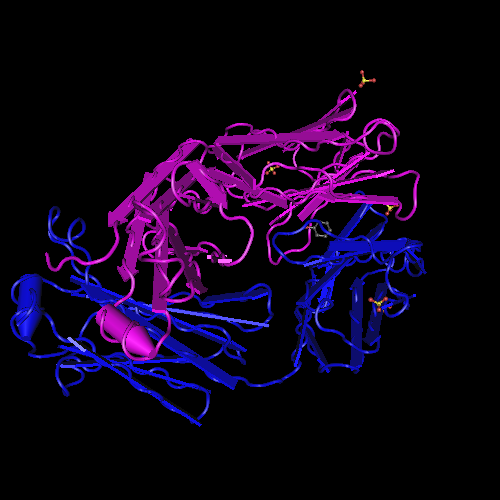
Bence Jones proteins are free light chains of immunoglobulins (antibodies) found in urine or blood. They are produced in excess by abnormal plasma cells, a type of white blood cell found in bone marrow.
Normally, antibodies consist of heavy and light chains. In certain diseases, especially plasma cell disorders, the body produces an abnormal amount of light chains (either kappa or lambda). Some of these do not bind to heavy chains and instead circulate freely in the bloodstream or are excreted in the urine.
The Origin: Who Discovered Bence Jones Proteins?
Bence Jones proteins are named after Dr. Henry Bence Jones, a 19th-century English physician and chemist who identified a strange substance in a patient’s urine. This substance would precipitate upon heating but redissolve with further heating, a unique property later understood to be due to free immunoglobulin light chains.
His discovery paved the way for a better understanding of blood cancers and immunological disorders.
Why Are Bence Jones Proteins Important?
Detecting Bence Jones proteins is not a disease in itself, but they are critical biomarkers. Their presence usually indicates an underlying plasma cell disorder, commonly:
- Multiple Myeloma
- AL Amyloidosis
- Light Chain Deposition Disease (LCDD)
- Monoclonal Gammopathy of Undetermined Significance (MGUS)
Finding these proteins can help diagnose these conditions early, even before other symptoms appear.
Role in AL (Light Chain) Amyloidosis
AL amyloidosis occurs when misfolded light chains, often Bence Jones proteins, accumulate in various organs, causing progressive damage. These proteins can build up in the kidneys, heart, liver, nerves, and gastrointestinal tract.
Identifying Bence Jones proteins in the urine or blood early helps clinicians:
- Detect the disease before irreversible organ damage occurs
- Start targeted therapy to suppress abnormal plasma cells
- Monitor disease progression or remission
In AL amyloidosis, Bence Jones proteins directly contribute to the disease’s pathology, not just serve as indicators.
Role in Multiple Myeloma
In multiple myeloma, a cancer of plasma cells, the bone marrow produces excessive amounts of abnormal light chains. These Bence Jones proteins may enter the urine, damaging the kidneys’ filtering system.
Key points:
- Bence Jones proteins are present in about 60–70% of multiple myeloma cases
- High levels are linked to a greater risk of kidney failure
- They also help differentiate non-secretory myeloma from other forms
In some cases, the kidneys cannot filter these proteins effectively, which can lead to light chain cast nephropathy. This condition can result in renal failure if untreated.
Testing for Bence Jones Proteins
- Urine Protein Electrophoresis (UPEP)
UPEP separates proteins based on their electrical charge and size. The presence of a monoclonal spike may indicate Bence Jones proteins. - Urine Immunofixation Electrophoresis (IFE)
More sensitive than UPEP, IFE identifies the type of light chains (kappa or lambda) and confirms monoclonality. - Serum Free Light Chain Assay
This measures free light chains in the blood. It is more sensitive and used when urine tests are negative but suspicion remains. - 24-Hour Urine Collection
This is necessary for accurately measuring protein excretion. It helps assess disease burden and kidney function.
Why Early Detection of Bence Jones Proteins Matters
- Prevents Organ Damage
Early detection allows clinicians to start chemotherapy or targeted therapies to lower light chain production before it harms vital organs, especially the kidneys and heart. - Guides Treatment
Identifying the type and amount of light chains helps tailor the treatment plan. Certain therapies work better for kappa versus lambda light chain overproduction. - Improves Prognosis
Patients diagnosed early with AL amyloidosis or multiple myeloma generally have better outcomes, less organ involvement, and a better response to treatment. - Monitors Disease Progression
Bence Jones protein levels can be tracked over time to assess how well a patient is responding to therapy or if there has been a relapse.
Bence Jones Protein and Kidney Health
The kidneys are particularly at risk from Bence Jones proteins. When free light chains accumulate in the renal tubules, they form obstructive casts, leading to myeloma kidney or cast nephropathy.
Clinical Signs of Kidney Involvement:
- Proteinuria (protein in the urine)
- Elevated creatinine levels
- Reduced glomerular filtration rate (GFR)
- Swelling or fluid retention
Protecting kidney function is a top priority in patients with high levels of Bence Jones proteins.
Treatment Strategies to Reduce Bence Jones Protein Load
- Chemotherapy
This targets abnormal plasma cells to decrease light chain production. Common drugs include:
- Bortezomib
- Cyclophosphamide
- Dexamethasone
- Lenalidomide
- Stem Cell Transplant
For eligible patients, high-dose chemotherapy followed by autologous stem cell transplant can lead to long-term remission. - Plasmapheresis
Used in some cases to remove light chains from the blood. Its role is debated but may help patients with severe kidney issues. - High-Cut-Off (HCO) Dialysis
This advanced dialysis method is designed to remove large molecules like light chains. It can be beneficial for patients with acute kidney injury due to Bence Jones protein overload.
Prognostic Value of Bence Jones Proteins
High levels of Bence Jones proteins typically indicate a more aggressive disease. Persistent presence despite treatment may signal poor response or relapse. Decreasing levels are good signs of remission or effective treatment.
They are now essential biomarkers in disease staging, especially when used alongside other markers like beta-2 microglobulin and albumin levels.
Limitations and Challenges
While testing for Bence Jones proteins is crucial, it has limitations:
- False negatives can happen, especially in early disease or non-secretory variants.
- Requires specialized testing not available in all labs.
- Quantification can vary depending on urine concentration and collection accuracy.
Combining urine and serum tests provides the highest sensitivity for diagnosis.
Living with a Diagnosis Involving Bence Jones Proteins
Receiving a diagnosis that involves Bence Jones proteins can feel overwhelming. However, education, support, and monitoring can significantly improve outcomes.
Patient Tips:
- Stay hydrated to support kidney health.
- Avoid NSAIDs and medications that harm the kidneys.
- Regularly check light chain levels.
- Stay connected with a hematologist and nephrologist.
Caregiver Tips:
- Assist in managing medication schedules.
- Watch for signs of organ stress (fatigue, swelling, confusion).
- Provide emotional and logistical support throughout the diagnosis and treatment process.
Conclusion
Bence Jones proteins act as an early warning sign for conditions like multiple myeloma and AL amyloidosis. They are not a disease themselves, but detecting them is vital to prevent organ damage and improve patient outcomes.
Through timely testing, ongoing monitoring, and targeted treatment, the risks linked to Bence Jones proteins can be managed effectively. Awareness among patients, caregivers, and medical professionals is essential for ensuring early detection and intervention.
Frequently Asked Questions (FAQs)
Q1: Are Bence Jones proteins cancerous?
A: Not directly, but they are produced by cancerous or abnormal plasma cells in conditions like multiple myeloma.
Q2: Can Bence Jones proteins be cured?
A: The proteins themselves are symptoms. Treatment targets the underlying plasma cell disorder, which can reduce or eliminate protein levels.
Q3: Are Bence Jones proteins found only in urine?
A: Traditionally, yes, but they can also be detected in blood tests.