Case Report: Subacute Onset of Abdominal and Lower Extremity Swelling – Clinical Insights
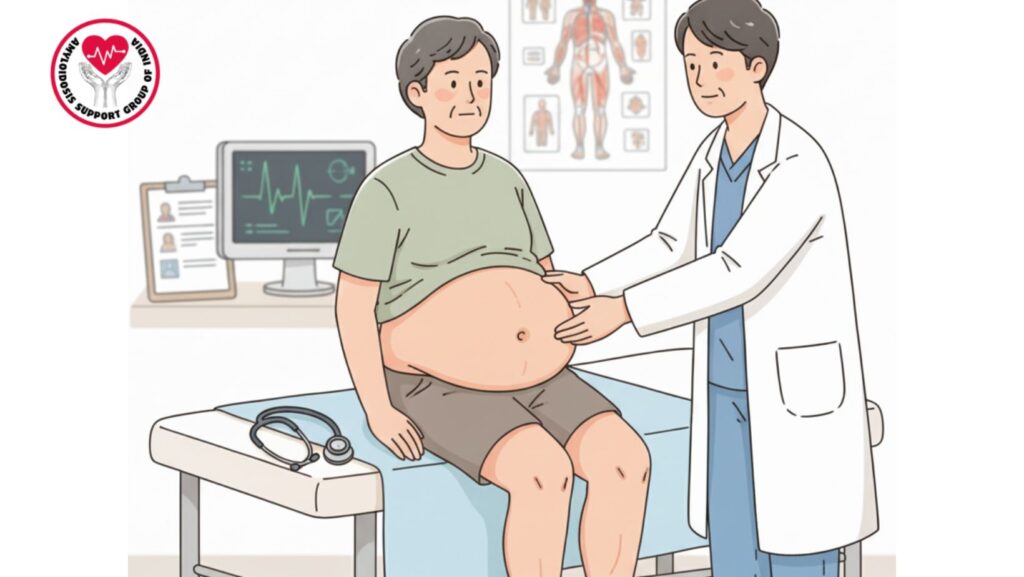
Table of Contents
Introduction
In clinical medicine, case reports are a rich source of lessons through the identification of unique presentations, diagnostic dilemmas, and management approaches. This paper presents the case of a patient with a 2-month history of subacute abdominal and lower extremity swelling. Although ascites and edema can be secondary to a number of conditions, the course of the patient highlights the role of timely recognition, multidisciplinary workup, and systemic disease considerations like amyloidosis.
This comprehensive case study seeks to offer healthcare professionals, patients, and caregivers a systematic understanding of the clinical presentation, diagnostic process, treatment strategy, and learning derived from the case.
Background: Why Swelling Matters in Medicine
Swelling of the abdomen and legs is a symptom, not a disease. It suggests an underlying pathology, usually systemic, that must be meticulously assessed.
- Ascites (Abdominal Swelling): Typically secondary to liver disease, heart failure, renal dysfunction, or malignancy.
- Edema (Lower Extremity Swelling): May be secondary to cardiac insufficiency, venous stasis, renal disease, or protein loss.
- In Systemic Disease such as Amyloidosis: Both may be present simultaneously due to protein deposition in various organs with resultant dysfunction.
Patient Profile
- Age: 61 years
- Gender: Male
- Ethnicity: African-American
- Past Medical History: Type 2 diabetes mellitus (controlled), hypertension
- Family History: Non-contributory
- Presenting Complaint: Abdominal and lower limb swelling for 2 months
Clinical Presentation
The patient complained of:
- Gradual increase in abdominal distension over weeks
- Pitting edema of both legs, more marked in evenings
- Shortness of breath and fatigue on minimal exertion
- Early satiety and loss of appetite
- Slight gain in weight on poor oral intake
On examination: - Distended abdomen with fluid thrill
- Bilateral pedal edema (pitting type)
- Mild hepatomegaly
- Elevated jugular venous pressure
- No apparent signs of chronic liver disease
These characteristics hinted at a systemic etiology as opposed to an isolated organ disorder.
Diagnostic Evaluation
1. Laboratory Tests
- Complete Blood Count (CBC): Mild anemia
- Liver Function Tests (LFTs): Mildly abnormal enzymes, low albumin
- Renal Function Tests: Slightly elevated creatinine
- Urinalysis: Proteinuria present
- Serum Protein Electrophoresis (SPEP): Marked monoclonal protein peak
2. Imaging
- Ultrasound Abdomen: Moderate ascites, hepatomegaly, normal-sized spleen
- Echocardiogram: Ventricular thickening, restrictive filling pattern
- Chest X-ray: Mild cardiomegaly, pulmonary venous congestion
3. Biopsy & Specialized Tests
- Abdominal fat pad biopsy: Positive for amyloid deposition using Congo red stain
- Cardiac MRI: Infiltrative cardiomyopathy established
- Mass Spectrometry: AL Amyloidosis subtype
Differential Diagnosis Considered
Prior to establishing amyloidosis, physicians also considered other etiologies:
- Cirrhosis of the liver – ruled out by retained synthetic liver function
- Nephrotic syndrome – proteinuria but not main cause
- Congestive heart failure – present but secondary to infiltrative disease
- Malignancy with peritoneal spread – ruled out by imaging and cytology
Final Diagnosis
Systemic AL Amyloidosis involving cardiac, hepatic, and renal, manifesting as subacute swelling of the abdomen and lower extremities.
Treatment Plan
1. Supportive Management
- Diuretics for fluid overload
- Dietary salt restriction
- Compression stockings for edema of the legs
- Nutritional support to correct loss of appetite
2. Disease-Specific Therapy
- Bortezomib, Cyclophosphamide, and Dexamethasone (CyBorD regimen)
- Ongoing hematological monitoring for response to treatment
- Autologous stem cell transplant to be considered (risk-benefit ratio because of cardiac involvement)
3. Monitoring and Follow-Up
- Monthly echocardiogram
- Biomarker monitoring (BNP, troponin)
- Monitoring of renal function
- Patient counseling and caregiver education
Patient Outcome
Following 6 months of therapy:
- Resolution of leg swelling
- Stabilization of abdominal distension
- Partial hematologic response
- Improved exercise tolerance and quality of life
Discussion
Key Learning Points
- Subacute swelling is a red flag: Unexplained swelling persisting should always raise the index of suspicion to include causes beyond common ones.
- Multisystem involvement necessitates suspicion of systemic disease: Amyloidosis may masquerade as more common conditions.
- Early biopsy is essential: Fat pad biopsy continues to be a low-risk, high-reward test for amyloidosis.
- Multidisciplinary approach: Cardiology, nephrology, and hematology team collaboration enhanced management.
Implications for Clinicians
- Keep amyloidosis in the differential diagnosis of unexplained ascites with edema at all times.
- Utilize non-invasive imaging modalities in conjunction with tissue confirmation.
- Individualize treatment according to patient comorbidities and risk factors.
Implications for Patients & Caregivers
- Consult a doctor if there is persistent or unexplained swelling.
- Contact support groups and awareness networks such as Amyloidosis Support India.
- Outcome is bettered by lifestyle changes (low-salt diet, weight control, compliance with drugs)
Wider Impact
The case highlights the imperative of awareness campaigns in India and worldwide regarding amyloidosis. Due to the rarity and frequent misdiagnosis of the disease, patient support groups play a crucial role in facilitating the gap between early detection and specialist treatment.
Conclusion
The presentation of a 61-year-old man with subacute onset of abdominal and lower extremity swelling emphasizes the diagnostic subtleties and therapeutic dilemmas of amyloidosis. The path from symptoms to diagnosis reinforces the importance of clinical acumen, cutting-edge diagnostics, and patient-oriented care.
Through careful analysis and collective experience, such case reports not only inform healthcare professionals but also enable patients and caregivers to obtain prompt medical evaluation.