When Proteins Attack the Heart
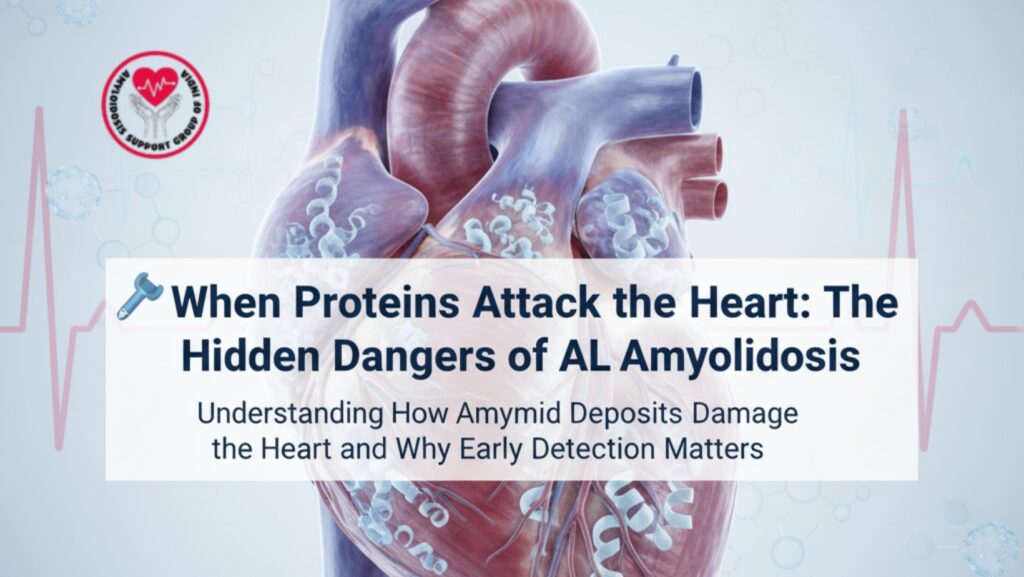
Table of Contents
Introduction
The human heart works tirelessly, beating over one hundred thousand times each day to keep blood and oxygen flowing throughout the body. It is an organ of remarkable resilience, precision, and balance. Yet even the most efficient system can fail when foreign elements interfere with its function. One such silent invader is AL Amyloidosis, a rare but serious disorder in which abnormal proteins, known as light chains, accumulate in vital organs. These proteins misfold and form insoluble fibrils called amyloid deposits. When these deposits infiltrate the heart, they disrupt its normal rhythm and structure, leading to cardiac amyloidosis.
Unlike more common cardiovascular diseases, AL amyloidosis is not caused by lifestyle or diet. It arises deep within the bone marrow, where plasma cells, responsible for antibody production, begin creating unstable proteins. Over time, these abnormal proteins travel through the bloodstream and lodge in the heart tissue. This results in a stiff, less flexible heart that struggles to fill and pump blood efficiently.
This article examines in detail how proteins “attack” the heart, the biological processes behind AL amyloidosis, its symptoms, diagnosis, and treatment, and why early recognition is essential for improving survival and quality of life.
Section 1: Understanding the Basics of Amyloidosis
What Are Amyloids?
Amyloids are misfolded proteins that accumulate in tissues and organs. In a healthy body, proteins fold into specific shapes to perform their functions. However, when misfolding occurs, these proteins cluster into insoluble fibrils that resist degradation. Over time, they accumulate in organs such as the heart, kidneys, liver, nerves, and gastrointestinal tract, impairing their function.
Types of Amyloidosis
There are several forms of amyloidosis, but the most clinically significant types include:
- AL (Amyloid Light Chain) Amyloidosis: Caused by abnormal plasma cells producing unstable light chain proteins.
- ATTR (Transthyretin) Amyloidosis: Caused by misfolded transthyretin protein, which can be inherited (mutant TTR) or age-related (wild-type).
- AA Amyloidosis: Linked with chronic inflammation or infection.
- Dialysis-related Amyloidosis: Resulting from long-term dialysis and the accumulation of β2-microglobulin.
Among these, AL Amyloidosis is the most severe and rapidly progressive type, especially when it affects the heart.
Section 2: How AL Amyloidosis Develops
Origin in Plasma Cells
The bone marrow contains plasma cells that produce antibodies made of heavy and light chains. In AL amyloidosis, some plasma cells mutate and produce too many abnormal light chains. These defective proteins tend to misfold.
Misfolding and Fibril Formation
Once misfolded, the light chains assemble into amyloid fibrils—tiny strands that deposit in organs. These deposits disrupt the normal structure of tissues and cause functional damage.
Why the Heart Is Vulnerable
The heart’s constant pumping depends on elasticity. Amyloid deposits infiltrate the myocardial tissue (the muscle layer of the heart), making it rigid and noncompliant. This rigidity prevents proper relaxation during diastole, leading to a condition called restrictive cardiomyopathy.
Section 3: The Heart Under Attack
Mechanisms of Cardiac Damage
- Mechanical Stiffening: Amyloid fibrils embed between cardiac muscle fibers, reducing flexibility and the ability to fill during diastole.
- Electrical Disturbances: Amyloid deposits infiltrate conduction pathways, causing arrhythmias or conduction blocks.
- Microvascular Dysfunction: Amyloid buildup in small coronary arteries decreases oxygen supply to cardiac tissues.
- Direct Toxicity: Circulating free light chains may harm cardiomyocytes even before deposits form.
The Result: Restrictive Cardiomyopathy
The stiff heart struggles to fill adequately, even though its pumping strength (systolic function) may initially seem normal. As the disease progresses, symptoms of heart failure develop—shortness of breath, swelling, and fatigue.
Section 4: Recognizing the Hidden Signs
Cardiac amyloidosis is often underdiagnosed because its symptoms resemble those of more common conditions like hypertension or age-related heart failure. However, there are distinctive signs that clinicians and patients should be aware of.
Common Symptoms
- Shortness of breath during mild exertion or even rest
- Fatigue and weakness
- Swelling in the legs, ankles, or abdomen
- Rapid or irregular heartbeat
- Light-headedness or fainting episodes
Distinctive Red Flags
- Unexplained thickening of the heart wall despite normal blood pressure
- Carpal tunnel syndrome occurring before cardiac symptoms
- Numbness or tingling in limbs (peripheral neuropathy)
- Enlarged tongue (macroglossia)
- Purplish spots around the eyes (periorbital purpura)
- Low blood pressure or dizziness upon standing (orthostatic hypotension)
These subtle clues, when recognized together, may suggest amyloidosis rather than traditional heart disease.
Section 5: Diagnosis — Detecting the Invader
Early and accurate diagnosis is crucial for effective management. The diagnostic process includes clinical suspicion, laboratory testing, imaging, and tissue biopsy.
1. Laboratory Investigations
- Serum and Urine Immunofixation (IFE): Detects monoclonal light chains.
- Serum Free Light Chain Assay: Quantifies kappa and lambda chains, helping confirm their origin.
- Cardiac Biomarkers: Elevated NT-proBNP and troponin levels indicate heart stress.
2. Imaging Techniques
- Echocardiography: Reveals thickened ventricular walls with a sparkling appearance and diastolic dysfunction.
- Cardiac MRI: Shows characteristic late gadolinium enhancement, confirming amyloid infiltration.
- Nuclear Scans (99mTc-PYP): Helps distinguish AL amyloidosis from ATTR type.
3. Tissue Biopsy
A fat pad, bone marrow, or cardiac biopsy confirms the presence of amyloid. Congo red staining under polarized light reveals apple-green birefringence, which is the hallmark of amyloid deposits.
Section 6: The Staging of Cardiac AL Amyloidosis
The Mayo Clinic staging system combines cardiac biomarkers and free light chain ratios to assess disease severity:
| Stage | NT-proBNP | Troponin T | Free Light Chain Difference | Prognosis |
|---|---|---|---|---|
| I | Normal | Normal | Normal | Best survival |
| II | One marker elevated | – | – | Intermediate |
| III | Two markers elevated | – | – | Poorer outcome |
| IV | All elevated | – | – | Most severe |
This staging helps doctors develop personalized treatment plans.
Section 7: Treatment — Fighting Back
Treatment aims to stop the production of amyloid proteins and support affected organs.
1. Targeting the Source
- Chemotherapy Regimens: The CyBorD protocol (Cyclophosphamide, Bortezomib, Dexamethasone) remains a key therapy.
- Monoclonal Antibody Therapy: Daratumumab targets plasma cells producing abnormal light chains, showing strong response rates.
- Stem Cell Transplantation: In suitable patients, autologous stem cell transplantation offers long-lasting remission.
2. Supportive Cardiac Management
- Diuretics for fluid overload.
- Avoid beta-blockers and calcium channel blockers, which may worsen symptoms.
- Careful salt and fluid restriction.
- Antiarrhythmic therapy when needed.
3. Emerging Therapies
- CAEL-101: Aims to clear existing amyloid fibrils.
- Novel monoclonal antibodies and RNA-based therapies under investigation promise better outcomes in the future.
Section 8: Living with Cardiac Amyloidosis
Lifestyle Adaptations
- Maintain a low-sodium diet.
- Monitor daily weight to catch fluid retention early.
- Avoid overexertion and ensure proper rest.
- Elevate legs while resting to decrease swelling.
Psychological Well-being
Receiving an amyloidosis diagnosis can be emotionally tough. Support from family, caregivers, and patient groups like Amyloidosis Support India can offer vital emotional and informational help.
Follow-Up and Monitoring
Regular check-ups with hematologists and cardiologists are important to monitor light chain levels and cardiac biomarkers, ensuring prompt management of any progression.
Section 9: The Importance of Multidisciplinary Care
Since AL amyloidosis impacts multiple organs, management requires cooperation among specialists:
- Hematologist: Oversees therapy targeting plasma cells.
- Cardiologist: Manages heart failure and arrhythmias.
- Nephrologist: Watches for kidney involvement.
- Neurologist: Addresses peripheral neuropathy.
- Dietitian and Physiotherapist: Help maintain strength and nutrition.
Such teamwork improves patient outcomes and quality of life.
Section 10: Research and Future Outlook
Advances in Diagnosis
- Next-generation imaging now detects amyloid at earlier stages.
- Biomarker discovery helps identify the disease even before symptoms show.
- Artificial intelligence models are being developed to recognize amyloidosis patterns in echocardiograms.
Therapeutic Innovation
The rise of immunotherapies, gene-editing technologies, and amyloid-clearing agents marks a significant shift toward curing the disease rather than just managing symptoms.
Patient Advocacy and Awareness
Organizations around the world, like Amyloidosis Support India, work to promote early recognition through awareness campaigns, webinars, and patient stories. Such advocacy is essential in reducing diagnostic delays.
Section 11: Preventing Misdiagnosis
One of the biggest challenges in AL amyloidosis is delayed recognition. Patients are often misdiagnosed with hypertensive heart disease or idiopathic cardiomyopathy. Clinicians must consider amyloidosis in patients with:
- Unexplained thickening of the heart
- Low voltage on ECG despite large cardiac walls
- Systemic symptoms that involve the kidneys or nerves
Early testing using free light chain assays can help prevent misdiagnosis and enable timely treatment.
Section 12: Prognosis and Survival
Prognosis largely depends on cardiac involvement and treatment response.
- Patients diagnosed before advanced heart failure may live for many years with proper therapy.
- Those with severe cardiac involvement face a more cautious outlook, but survival has greatly improved with modern treatments like Daratumumab.
Median survival for advanced stages, once measured in months, now extends to several years due to early recognition and innovative therapies.
Section 13: Coping Strategies for Patients and Families
Living with amyloidosis requires not just medical treatment but also emotional and practical adjustments.
1. Education and Awareness
Understanding the disease empowers patients to make informed choices and stick to treatment plans.
2. Support Networks
Joining patient groups encourages sharing experiences, accessing expert talks, and finding psychological comfort.
3. Balanced Lifestyle
Prioritize good nutrition, hydration, and mental well-being through meditation or relaxation exercises.
4. Caregiver Involvement
Family members should learn to identify early signs of heart failure and help arrange timely medical visits.
Section 14: Key Questions Patients Often Ask
Q1: Is AL amyloidosis curable?
A: While not completely curable, it is treatable. Early diagnosis and appropriate therapy can lead to remission and extended life.
Q2: How is it different from ATTR amyloidosis?
A: AL is caused by plasma cell–produced light chains, while ATTR involves misfolded transthyretin protein.
Q3: Can AL amyloidosis affect organs other than the heart?
A: Yes, it can also impact the kidneys, liver, nerves, and gastrointestinal tract.
Q4: What lifestyle changes are essential?
A: A low-salt diet, regular monitoring, stress management, and consistent follow-up.
Section 15: The Path Forward
The fight against AL amyloidosis requires both scientific progress and public awareness. For many years, it remained an underrecognized disease, often diagnosed only at advanced stages. Today, due to improved diagnostics and targeted therapies, outcomes are getting better.
Ongoing clinical trials, teamwork among specialists, and patient advocacy offer hope for a future where AL amyloidosis can be detected early and managed effectively before irreversible damage occurs.
Conclusion
AL Amyloidosis represents a unique intersection of hematology and cardiology—a disease where misfolded proteins silently infiltrate and weaken the heart. It highlights how tiny cellular errors can lead to life-threatening conditions.
By understanding the hidden dangers of amyloid protein deposits, recognizing early warning signs, and ensuring timely medical evaluation, patients can take proactive steps toward effective treatment and better survival.
With continued research, public awareness, and dedicated organizations like Amyloidosis Support India, there is growing hope that we will soon be able to detect these protein attacks early—and defeat them completely.