Protein Loss in Urine: Why Eating More Is Not Always the Answer
Understanding Protein Loss in Urine (Proteinuria)
Protein loss in urine, also called proteinuria, is a common yet serious problem in many chronic conditions, including amyloidosis. Normally, healthy kidneys keep large amounts of protein from leaking into urine. When this filtering system is damaged, valuable proteins, especially albumin, are lost. This leads to swelling, fatigue, weakness, and nutritional imbalance.
For many patients and families, the instinct is straightforward: if protein is lost, then eating more protein should solve the issue. Unfortunately, the situation is more complicated. In many cases, eating more protein can actually harm the kidneys further.
Why Protein Matters in the Body
Proteins are essential for building muscles, tissues, hormones, enzymes, and supporting the immune system. Albumin is one of the most important blood proteins, as it helps maintain fluid balance in blood vessels. When albumin levels drop, fluid seeps into tissues, causing swelling in the legs, abdomen, and face.
In amyloidosis and other kidney-related disorders, protein loss disrupts this balance, affecting nutrition and overall organ function.
How Amyloidosis Causes Protein Loss
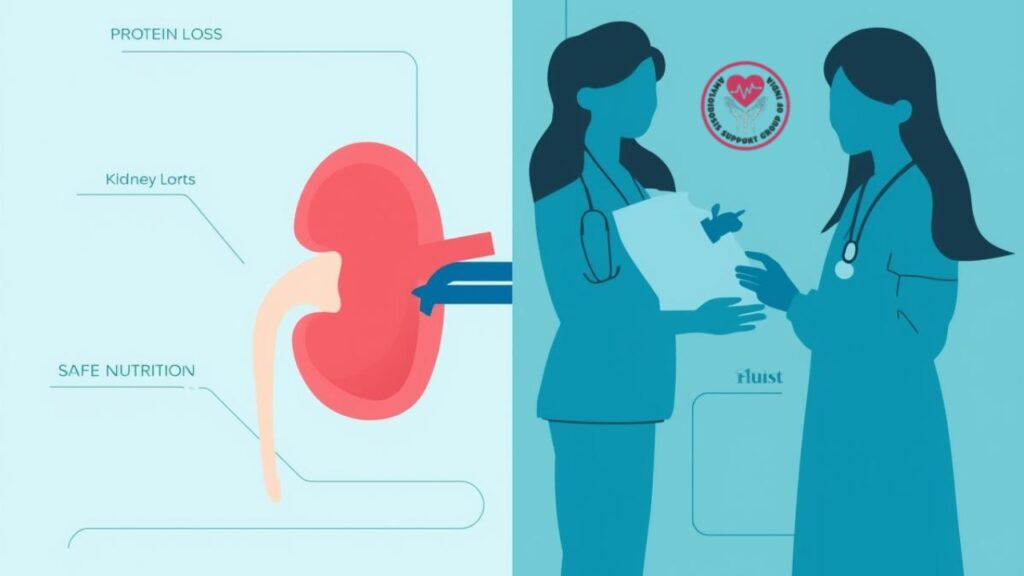
In renal amyloidosis, abnormal amyloid proteins build up in the kidneys. This damage harms the glomeruli, the tiny filters that keep protein in the bloodstream. As these filters weaken, protein leaks into urine in large amounts.
This loss isn’t due to poor dietary intake but rather to structural damage in the kidneys. Understanding this difference is crucial because it explains why dietary protein alone cannot fix the problem.
Common Symptoms of Protein Loss in Urine
Patients with significant proteinuria may experience swelling in the feet and ankles, frothy or foamy urine, unexplained weight gain due to fluid retention, fatigue, muscle wasting, frequent infections, and low blood pressure. These symptoms often progress quietly until kidney damage becomes severe.
The Myth: Eating More Protein Will Replace the Loss
It seems logical that increasing protein intake would make up for protein lost in urine. However, too much dietary protein forces damaged kidneys to work harder. This increases pressure inside the glomeruli and leads to even more protein leakage.
Instead of fixing protein loss, excess protein intake may worsen kidney inflammation, speed up kidney function decline, and increase waste buildup in the blood.
How Much Protein Is Actually Safe
Protein needs vary based on kidney function, the degree of protein loss, body weight, and overall health. Many patients with kidney issues need a carefully regulated protein intake—not too high and not too low.
Working with a nephrologist and renal dietitian is essential for individualized nutrition planning. Increasing protein without medical advice can be harmful.
The Role of Albumin Infusions
In some cases of severe hypoalbuminemia, doctors may suggest albumin infusions. These provide temporary relief from swelling but do not address the underlying cause of protein loss. Unless kidney damage is treated, infused albumin is often lost again through urine.
Importance of Treating the Underlying Disease
In amyloidosis, controlling the underlying disease—whether AL, AA, or hereditary—is the most effective way to reduce protein loss. Chemotherapy, targeted therapy, or disease-modifying treatments can stabilize or improve kidney function when started early.
Dietary changes alone can’t stop proteinuria without addressing the disease.
Salt and Fluid Balance
Protein loss often comes with fluid retention. Cutting down on salt intake is far more important than increasing protein. Excess salt worsens swelling, raises blood pressure, and puts extra strain on the kidneys.
Fluid intake must also be customized, especially for patients with heart or kidney issues.
Why Malnutrition Can Still Occur
Even if patients eat well, ongoing protein loss can cause muscle wasting and weakness. This condition, called protein-energy wasting, requires careful nutritional strategies that protect kidney function while supporting muscle health.
Calories from carbohydrates and healthy fats usually play a bigger role than protein alone.
Monitoring Protein Loss
Doctors monitor proteinuria using urine protein tests, 24-hour urine collections, and blood albumin levels. Regular monitoring helps guide treatment decisions and dietary adjustments.
Sudden increases in protein loss need to be evaluated quickly.
Role of Medications
Certain medications, like ACE inhibitors and ARBs, help reduce protein leakage by lowering pressure inside kidney filters. These drugs are often more effective at reducing protein loss than dietary protein changes.
Never stop or start medications without medical advice.
When Eating More Protein Is Actually Harmful
In advanced kidney disease, too much protein can raise urea levels, worsen nausea and fatigue, and speed up kidney failure. This is why protein recommendations need to change as kidney disease progresses.
Special Considerations for Amyloidosis Patients
Patients with amyloidosis often have issues in multiple organs, including the heart and nerves. Nutritional plans must consider blood pressure, fluid balance, digestion, and the side effects of medications—not just protein loss.
A one-size-fits-all diet does not work.
Emotional Impact of Dietary Restrictions
Food restrictions can be emotionally tough for patients and caregivers. Education and reassurance are vital so patients understand that moderation is protective rather than depriving.
Working with a knowledgeable dietitian can lead to better outcomes and improved quality of life.
Practical Dietary Tips
Focus on high-quality protein in appropriate amounts, include enough calories, limit salt, avoid processed foods, stay hydrated as advised, and maintain regular monitoring.
Small, frequent meals may help patients with fatigue and poor appetite.
When to Seek Immediate Medical Advice
Seek medical attention if swelling suddenly worsens, urine output decreases, breathlessness increases, or confusion arises. These may indicate worsening kidney or heart function.
Supporting Caregivers and Families
Caregivers play an important role in meal planning, medication adherence, and symptom monitoring. Education empowers families to support patients safely without causing unintended harm.
Hope Through Early Intervention
Early diagnosis and proper management of protein loss can significantly slow disease progression. With coordinated care involving nephrologists, hematologists, cardiologists, and dietitians, many patients achieve better stability and quality of life.
Understanding that eating more protein is not always the answer is the first step toward safer, more effective care.