Case Report: A 61-Year-Old African-American Male – Clinical Presentation and Insights
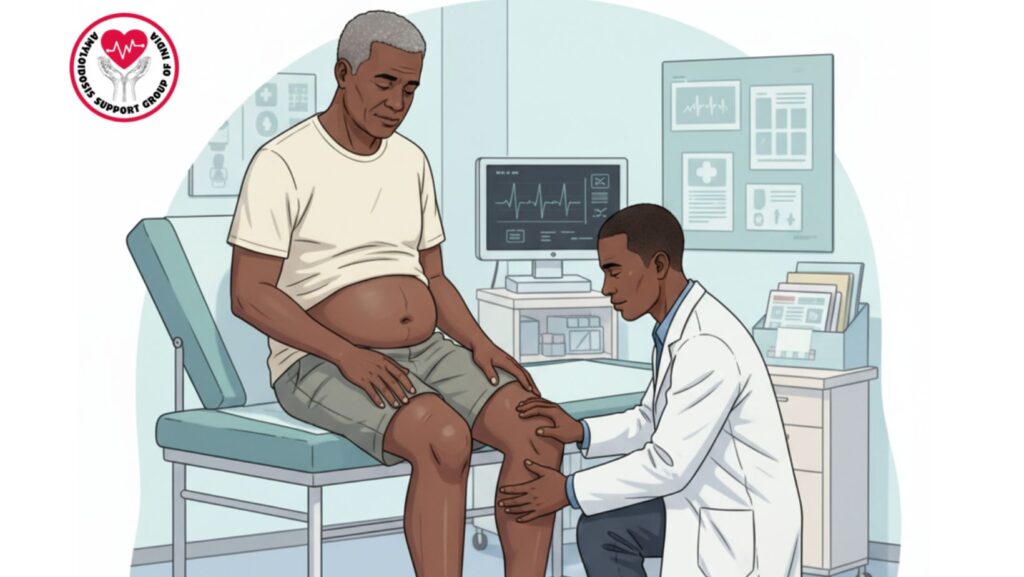
Table of Contents
Introduction
Case reports are integral to the medical literature, providing valuable insights into the presentation of disease in the real-world environment. In amyloidosis, case studies provide clinicians and researchers with insights into nuances in clinical presentation, diagnosis, and treatment success.
Herein, we report a case of a 61-year-old African-American male with amyloidosis. We shall discuss his clinical presentation, diagnostic process, management options, and lessons observed. Through a critical examination of the case, both patients and healthcare practitioners can derive valuable insight that may guide future care.
Background: Understanding Amyloidosis
Amyloidosis is a collection of uncommon disorders that result from the aberrant deposition of amyloid fibrils in various organs and tissues. The deposition interferes with normal organ function and causes a broad spectrum of symptoms.
Forms of Amyloidosis:
AL Amyloidosis (Light-Chain) – associated with plasma cell disorders
AA Amyloidosis – related to chronic inflammatory disorders
Hereditary Amyloidosis – mutations that lead to abnormal protein accumulation
Wild-Type ATTR Amyloidosis – age-related, frequently cardiac involvement
Why Case Reports Are Important:
Because amyloidosis may masquerade as other disorders, a comprehensive case report enhances early identification, diagnosis, and treatment planning.
Patient Profile
Age: 61 years
Ethnicity: African-American
Gender: Male
Background: No notable family history of amyloidosis. Established history of mild hypertension and type 2 diabetes, well controlled with medications.
Clinical Presentation
The patient had:
Increasing fatigue over 6 months
Inexplicable weight loss (~8 kg over 4 months)
Shortness of breath with mild exertion
Swelling of ankles and legs mimicking fluid retention
Numbness and tingling in feet due to potential peripheral neuropathy
Physical examination findings:
Mild pallor
Jugular venous distension (indicative of cardiac involvement)
Pedal edema (pitting)
Liver enlargement on palpation
These characteristics at first implied cardiac and systemic involvement—a characteristic in advanced amyloidosis.
Diagnostic Evaluation
- Laboratory Investigations
Complete Blood Count (CBC): Minimal anemia
Serum Creatinine & Urea: Minimal renal impairment
Serum Protein Electrophoresis (SPEP): Abnormal spike of monoclonal protein
Urine Protein Electrophoresis (UPEP): Detection of Bence-Jones proteinuria
- Imaging
Echocardiogram: Thickened ventricular walls, diastolic dysfunction—typical for amyloid cardiomyopathy
Cardiac MRI: Established infiltrative cardiomyopathy with late gadolinium enhancement
Ultrasound Abdomen: Mild hepatomegaly
- Tissue Biopsy
Abdominal fat pad biopsy: Positive for amyloid deposits with Congo red staining demonstrating apple-green birefringence under polarized light.
- Subtyping
Immunohistochemistry and mass spectrometry established AL Amyloidosis (light-chain type).
Differential Diagnosis Considered
The clinicians first considered other conditions before a diagnosis of amyloidosis was made:
Hypertensive heart disease
Diabetic nephropathy
Multiple myeloma
Restrictive cardiomyopathy
Detailed investigations excluded these options and established AL Amyloidosis.
Treatment Plan
- Supportive Care
Diuretics for fluid overload
Dietary changes (low salt diet)
Drugs for blood pressure and glycemic regulation
- Targeted Therapy
Chemotherapy: Bortezomib-based regimen to decrease plasma cell activity and aberrant light-chain production
Steroids: Dexamethasone to increase response
Autologous Stem Cell Transplant (ASCT) considered but postponed due to risk of cardiac involvement
- Monitoring
Serial echocardiography
Monitoring biomarkers (NT-proBNP, troponin)
Renal function assessment
Patient Outcome
The patient developed partial hematological response after 6 months of treatment.
Cardiac symptoms improved, although reversal to normal was not possible.
Quality of life was enhanced with supportive management and vigilance.
Discussion
Key Insights from This Case
1.Ethnic Considerations: African-American patients can be at greater risk for some amyloid subtypes, such as ATTR mutations. Although in this case it was AL, knowledge is important.
2.Diagnostic Difficulty: The patient’s presentation may mimic more familiar diseases such as diabetes-associated complications, leading to delayed diagnosis.
3.Importance of Early Diagnosis: Earlier biopsy and special studies may have enabled quicker treatment initiation.
4.Limitations of Treatment: Advanced cardiac disease decreases tolerance for aggressive treatments such as stem cell transplant.
Lessons for Clinicians
Always think about amyloidosis in elderly patients with unexplained multi-organ involvement.
Use non-invasive fat pad biopsy for early suspicion.
Use multidisciplinary teams (cardiologists, nephrologists, hematologists).
Lessons for Patients & Caregivers
Report early warning signs (fatigue, swelling, unintentional weight loss) to physicians.
Obtain rare disease specialist care centers for amyloidosis.
Lifestyle management (diet, exercise, stress management) augments medical therapy.
Wider Implications
This case highlights the need to increase awareness regarding amyloidosis in India and worldwide. Most patients are undiagnosed or wrongly diagnosed for long periods. Organizations such as Amyloidosis Support India offer resources, awareness drives, and patient support.
Conclusion
The patient with AL Amyloidosis, a 61-year-old African-American man, illustrates the challenges of diagnosing and managing this uncommon condition. A critical evaluation of patient history, presentation, and diagnostic results can enhance recognition and management in the hands of clinicians.
For caregivers and patients, this report emphasizes prompt symptom detection, anticipatory medical evaluation, and ongoing support systems. Increasing awareness and research portend a more promising future for amyloidosis management.