AL Amyloidosis and Cardiac Health
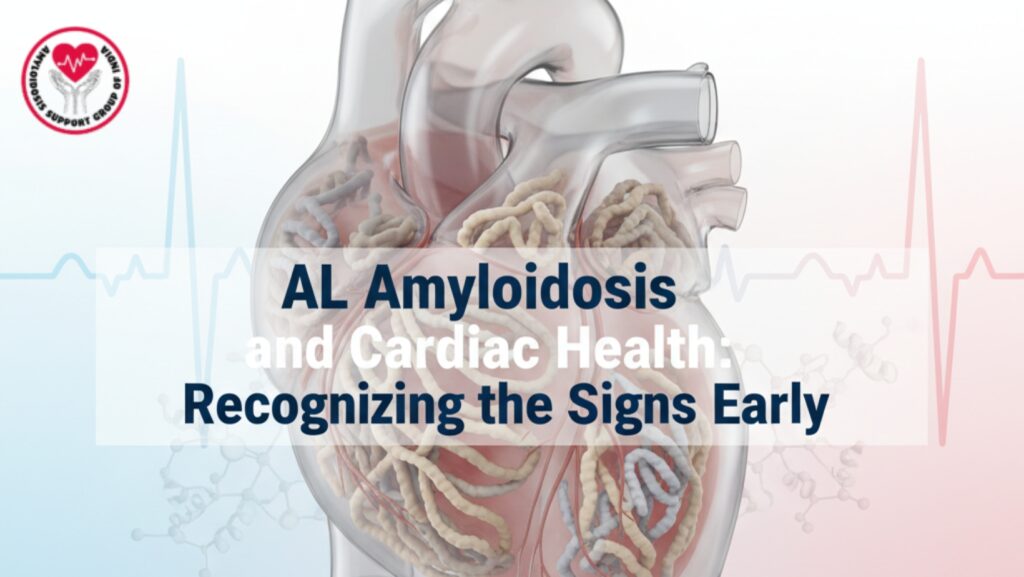
Table of Contents
Introduction
The human heart is an incredible organ that beats over 100,000 times a day. It needs flexible and strong muscles to pump blood effectively throughout the body. However, some people face a serious but uncommon condition called AL (Amyloid Light Chain) Amyloidosis. This disease happens when abnormal light chain proteins produced by plasma cells in the bone marrow build up as amyloid deposits in various organs, including the heart.
When these deposits invade the heart tissue, they cause a condition known as restrictive cardiomyopathy. This condition reduces the heart’s ability to relax and fill properly. Over time, it can result in heart stiffness, irregular rhythms, and potentially heart failure if untreated.
This article discusses how AL amyloidosis impacts the heart, the early signs to watch for, diagnostic methods, treatment options, and how patients and caregivers can manage life with cardiac amyloidosis. Understanding this disease early can lead to better outcomes and enhanced quality of life.
Understanding AL Amyloidosis
What Is AL Amyloidosis?
AL Amyloidosis, or Amyloid Light Chain Amyloidosis, is a disorder of the bone marrow where plasma cells produce abnormal light chain proteins. Instead of being broken down and eliminated, these proteins misfold and collect as amyloid fibrils in various organs, including the heart, kidneys, liver, nervous system, and gastrointestinal tract.
This type of amyloidosis is linked to conditions like multiple myeloma, a plasma cell cancer, but it can also happen on its own. The disease is not inherited; it arises from a spontaneous mutation in plasma cell behavior.
Mechanism of Disease Development
- Plasma cells in the bone marrow produce immunoglobulin light chains.
- Some of these light chains are unstable.
- These unstable chains misfold into amyloid fibrils.
- Amyloid fibrils deposit in tissues and organs.
- Over time, deposits disrupt normal organ function.
When this process occurs in the heart, it leads to cardiac amyloidosis, which is one of the most dangerous forms of AL amyloidosis.
How AL Amyloidosis Affects the Heart
Cardiac Infiltration
Amyloid fibrils invade the areas between heart muscle cells (myocytes). This invasion thickens the heart walls, not through muscle growth but due to protein deposits, causing ventricular stiffness.
Restrictive Cardiomyopathy
A stiff heart struggles to expand properly during diastole (the filling phase). This condition is called restrictive cardiomyopathy, which hinders the heart’s ability to pump blood effectively, even though the heart can contract normally.
Electrical System Disruption
Amyloid deposits can disrupt the heart’s electrical pathways, resulting in arrhythmias—irregular heartbeats that may cause dizziness, fainting, or sudden cardiac arrest.
Heart Failure Development
As amyloid infiltration continues, the heart has difficulty pumping enough blood, leading to heart failure. Symptoms include shortness of breath, swelling (edema), fatigue, and trouble exercising.
Recognizing the Early Signs of Cardiac Amyloidosis
Finding cardiac amyloidosis early is crucial but hard because its symptoms often resemble those of other heart conditions. Recognizing small differences can be vital.
Common Early Symptoms
- Shortness of breath during mild activity
- Swelling in the ankles or legs
- Fatigue or weakness
- Irregular heartbeat or palpitations
- Light-headedness or fainting
- Unexplained weight loss
- Numbness or tingling in hands or feet
Unique Clues Specific to Amyloidosis
- Thickened tongue (macroglossia)
- Dark circles around eyes (periorbital purpura)
- Carpal tunnel syndrome
- Unexplained heart enlargement without high blood pressure
- Low blood pressure that worsens when standing (orthostatic hypotension)
When these signs appear together, they should raise concerns about amyloidosis rather than typical heart disease.
Why Early Detection Matters
1. Preventing Irreversible Damage
Amyloid deposits can cause permanent organ damage if not detected early. Finding AL amyloidosis before serious cardiac involvement can greatly improve survival rates.
2. Enabling Prompt Treatment
Early diagnosis allows doctors to start plasma cell–directed therapy sooner, stopping amyloid formation before it leads to irreversible heart failure.
3. Improving Quality of Life
Patients diagnosed early typically respond better to treatment and experience fewer complications.
Diagnostic Approaches to AL Cardiac Amyloidosis
Diagnosing AL amyloidosis involves a mix of clinical suspicion, lab tests, imaging studies, and tissue biopsy.
1. Blood and Urine Tests
- Serum and urine protein electrophoresis (SPEP/UPEP)
- Immunofixation electrophoresis (IFE)
- Serum free light chain assay
These tests help identify the abnormal light chains responsible for amyloid formation.
2. Cardiac Biomarkers
High levels of troponin and NT-proBNP signal cardiac stress and are often used to determine the severity of cardiac involvement.
3. Imaging Studies
- Echocardiography: Shows thickened ventricular walls, sparkling myocardium, and diastolic dysfunction.
- Cardiac MRI: Provides detailed imaging and detects amyloid deposits through late gadolinium enhancement.
- Nuclear Scintigraphy (99mTc-PYP scan): Distinguishes AL amyloidosis from transthyretin (ATTR) amyloidosis.
4. Tissue Biopsy
A biopsy of fat pad, bone marrow, or heart tissue confirms the presence of amyloid and identifies the type using Congo red staining and mass spectrometry.
Staging and Prognosis
The Mayo Clinic staging system for AL amyloidosis uses cardiac biomarkers and free light chain levels to predict outcomes.
- Stage I: All biomarkers normal
- Stage II: One abnormal biomarker
- Stage III: Two abnormal biomarkers
- Stage IV: All biomarkers abnormal
Patients in the early stages have a much better prognosis than those diagnosed after severe cardiac issues arise.
Treatment Approaches
The main goals of treating AL amyloidosis are:
- Eliminate the source of amyloid production.
- Manage organ damage and improve cardiac function.
1. Plasma Cell–Directed Therapy
- Chemotherapy Regimens:
Common drugs include Bortezomib, Cyclophosphamide, and Dexamethasone (CyBorD). - Monoclonal Antibodies:
Daratumumab has shown significant success in targeting abnormal plasma cells. - Stem Cell Transplant:
For eligible patients, autologous stem cell transplantation offers long-term remission.
2. Supportive Cardiac Care
- Diuretics to manage fluid buildup.
- Avoidance of beta-blockers and calcium channel blockers, which may worsen symptoms.
- Salt restriction and careful fluid management.
3. Emerging Therapies
- CAEL-101: Directly targets amyloid deposits.
- Novel monoclonal antibodies are being studied to help clear amyloid fibrils from tissues.
Living with Cardiac Amyloidosis
1. Lifestyle Adjustments
- Follow a low-sodium diet to decrease fluid retention.
- Track your daily weight for early signs of fluid overload.
- Avoid strenuous physical activity.
- Manage blood pressure carefully.
2. Regular Monitoring
Regular check-ups with a hematologist and cardiologist are essential. Routine tests keep track of light chain levels and cardiac function.
3. Psychological and Emotional Support
Living with amyloidosis can be emotionally challenging. Support groups, counseling, and patient communities—like those at Amyloidosis Support India—provide valuable assistance and emotional care.
The Importance of Multidisciplinary Care
AL amyloidosis impacts multiple organs. Effective management needs a multidisciplinary team, including:
- Hematologists
- Cardiologists
- Nephrologists
- Neurologists
- Nutritionists
- Palliative care specialists
This collaborative approach ensures that every symptom and complication is addressed properly.
Research and Future Directions
In recent years, there have been major advancements in amyloidosis research. Progress includes:
- Early detection biomarkers that predict cardiac involvement before symptoms show up.
- Gene sequencing to find high-risk plasma cell clones.
- Combination therapies that mix plasma cell-targeting drugs with amyloid-clearing antibodies.
- Artificial intelligence tools that assist with early cardiac pattern recognition in imaging.
These improvements promise better survival rates and enhanced quality of life for future patients.
When to Seek Medical Help
If you notice unexplained fatigue, swelling, shortness of breath, or irregular heartbeats, especially if you also experience carpal tunnel syndrome or low blood pressure, consult a cardiologist familiar with amyloidosis. Early testing can be crucial.
Conclusion
AL Amyloidosis is a complex but increasingly manageable condition when diagnosed early. The involvement of the heart is the most significant factor affecting outcomes. With modern diagnostic tools and innovative treatments, patients can enjoy longer and better lives.
Recognizing the early signs—before irreversible cardiac damage—can change the course of this disease. Education, awareness, and access to specialized care are essential in combating AL amyloidosis.
For more details and patient resources, visit AmyloidosisSupport.in.