Alexion, AstraZeneca Rare Disease: Revolutionizing Rare Disease Treatment
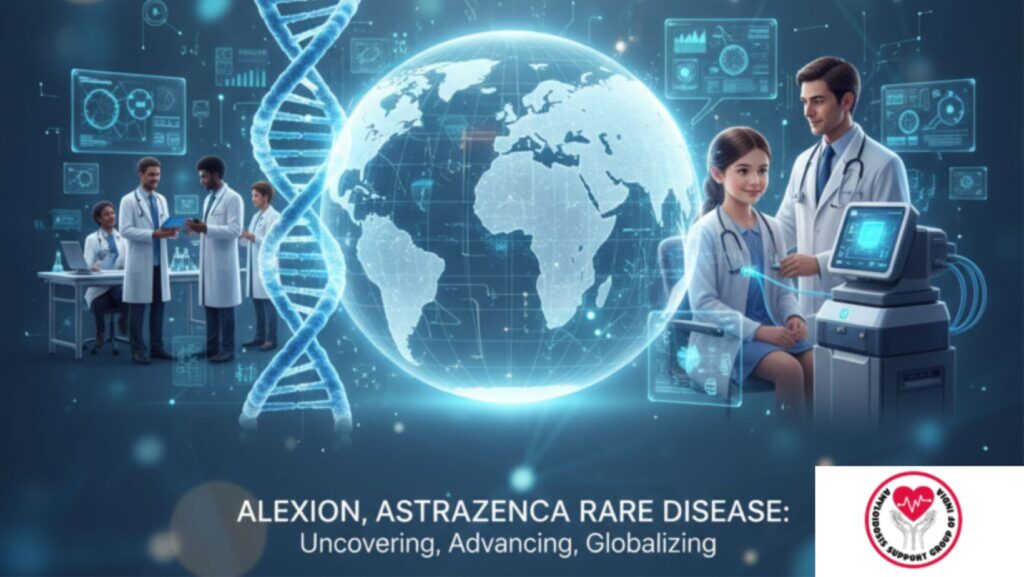
Table of Contents
Introduction
Rare diseases as a whole afflict more than 400 million people globally, but each rare disease is frequently misunderstood, underdiagnosed, and not effectively treated. In this environment, firms committed to rare disease solutions have a revolutionizing role.
Alexion, AstraZeneca Rare Disease is among the top companies in this field. Their professed mission is “to discover, develop, and deliver transformative medicines for patients with rare diseases.” This is not only about drug discovery—it is also about advocacy, collaborations, and sustaining relationships with patients and families who have life-threatening and debilitating rare disorders.
This article conducts an in-depth analysis of Alexion’s mission, mapping its roots, guiding principles, research milestones, and patient-focused initiatives, and assessing its contribution to the future of rare disease medicine.
Section 1: Origins and Evolution
1.1 Establishment of Alexion Pharmaceuticals
- Established in 1992 in New Haven, Connecticut
- Early interest in complement biology, a central pathway of the immune system
- Breakthrough medicine: Eculizumab (Soliris®) for paroxysmal nocturnal hemoglobinuria (PNH)
1.2 Development as a Leader in Orphan Diseases
- Entry into atypical hemolytic uremic syndrome (aHUS), generalized myasthenia gravis (gMG), neuromyelitis optica spectrum disorder (NMOSD), and hypophosphatasia (HPP)
- Brand as a pioneer of therapies where no previous treatments were available
1.3 AstraZeneca Acquisition
- In 2021, Alexion became AstraZeneca Rare Disease, preserving its brand but acquiring international scale
- Union capitalized on AstraZeneca’s R&D and Alexion’s rare disease capabilities
Section 2: The Mission Statement
2.1 Core Mission
“To discover, develop, and deliver transformative medicines for patients with rare diseases.”
This mission is represented by three pillars:
- Discover: Identify new pathways and therapeutic targets
- Develop: Turn discoveries into clinical-stage therapies
- Deliver: Provide global patient access and sustained support
2.2 Guiding Principles
- Patient-centricity: All decision-making driven by patient outcomes
- Innovation-driven: Emphasis on frontier science (complement inhibitors, monoclonal antibodies, RNA therapies)
- Global access: Growing reach beyond large markets
- Sustainability: Balancing breakthrough science with affordability and equity
Section 3: Research and Development Philosophy
3.1 Rare Disease R&D Challenges
- Small patient populations
- Diagnostic delays and misdiagnosis
- Limited clinical trial infrastructure
- High unmet medical need
3.2 Areas of Focus
- Complement biology (Eculizumab, Ravulizumab)
- Metabolic disorders (Hypophosphatasia, Lysosomal storage diseases)
- Neurology (gMG, NMOSD)
- Hematology (PNH, aHUS)
- Amyloidosis and other protein misfolding disorders
3.3 Pipeline Development
- From complement inhibitors to next-generation precision therapies
- Partnerships with biotech innovators to develop gene therapies and RNA-based methods
Section 4: Transformative Medicines
4.1 Eculizumab (Soliris®)
- First-in-class C5 complement inhibitor
- Indicated for PNH, aHUS, gMG, NMOSD
- A landmark in rare disease therapy
4.2 Ravulizumab (Ultomiris®)
- Long-acting complement inhibitor, enhancing patient convenience
- Lowers frequency of infusion, improving quality of life
4.3 Strensiq® (asfotase alfa)
- Enzyme replacement therapy for hypophosphatasia
- Resuscitation for infants and children
4.4 Kanuma® (sebelipase alfa)
- Enzyme replacement therapy in lysosomal acid lipase deficiency
- Restores balance of metabolism
4.5 Pipeline in Amyloidosis
- Investigational treatments looking into new antibody approaches to amyloid fibril removal
- Possible overlap with current AL amyloidosis studies
Section 5: Patient-Centered Approach
5.1 Patient Support Programs
- Patient and caregiver education programs
- Under-resourced region access programs
- Financial support programs
5.2 Advocacy Partnerships
- Global rare disease organization partnerships
- Awareness campaign support (e.g., Rare Disease Day)
5.3 Registries and Real-World Evidence
- Long-term patient registries to monitor outcomes
- Data-sharing with academic consortia
Section 6: Global Impact
6.1 Geographic Expansion
- Therapies launched in 50+ countries
- Ministry of health partnerships to increase rare disease care
6.2 Global Health Inequalities
- Emphasis on low- and middle-income countries (LMICs)
- Multi-tiered pricing schemes to enhance affordability
6.3 Contribution to Global Policy
- Interaction with WHO and rare disease policy networks
- Rare disease advocacy on inclusion in health priorities
Section 7: Ethics and Responsibility
7.1 Drug Pricing Debate
- Soliris previously among the most costly drugs
- Balancing sustainability and equitable access continues to be at the core
7.2 Transparency in Clinical Trials
- Revealing trial results
- Involving patients in designing trials
7.3 Long-Term Commitment
- Patients with rare diseases need lifelong therapies
- Alexion focuses on continuity of treatment
Section 8: Future Outlook
8.1 Broadening Therapeutic Modalities
- Gene therapy for the treatment of single-gene disorders
- RNA-based drugs for precision targeting
- Bispecific antibodies for multi-pathway control
8.2 Synergies with AstraZeneca
- Drawing on AstraZeneca’s oncology and immunology R&D capabilities
- Common platforms in biologics and next-generation antibody engineering
8.3 Towards a World Without Untreated Rare Diseases
- Ongoing pressure for earlier diagnosis by biomarkers and AI technology
- Genetically tailored treatments
Section 9: Frequently Asked Questions
Q1. Why is Alexion special compared to pharma firms?
Its sole emphasis on rare diseases and complement biology.
Q2. In what ways does Alexion care for patients outside of medicines?
By advocacy, financial assistance, and long-term care alliances.
**Q3. What disease areas does Alexion specialize in?
PNH, aHUS, gMG, NMOSD, hypophosphatasia, lysosomal acid lipase deficiency, and investigational expansion into amyloidosis.
Q4. Is Alexion developing amyloidosis?
Yes, investigational programs are investigating monoclonal antibody–based clearance strategies.
Q5. What is AstraZeneca’s role?
It contributes global infrastructure and mature research platforms while Alexion maintains its rare disease expertise.
Conclusion
The mission of Alexion, AstraZeneca Rare Disease—to discover, develop, and deliver transformative medicines for patients with rare diseases—isn’t merely a declaration but a core philosophy that defines its whole strategy.
Innovating from the first complement inhibitors to creating one of the world’s most extensive rare disease franchises, Alexion’s story is one of singular patient-first culture. Its merging into AstraZeneca provides greater reach, more resources, and greater research capabilities.
As the rare disease environment continues to change, Alexion stands as a therapeutic innovator and also as a global advocate, working to create a future where no rare disease patient is left untreated or unheard.