Alkylating Agents in AL Amyloidosis: Side Effects, Management, and Patient Care
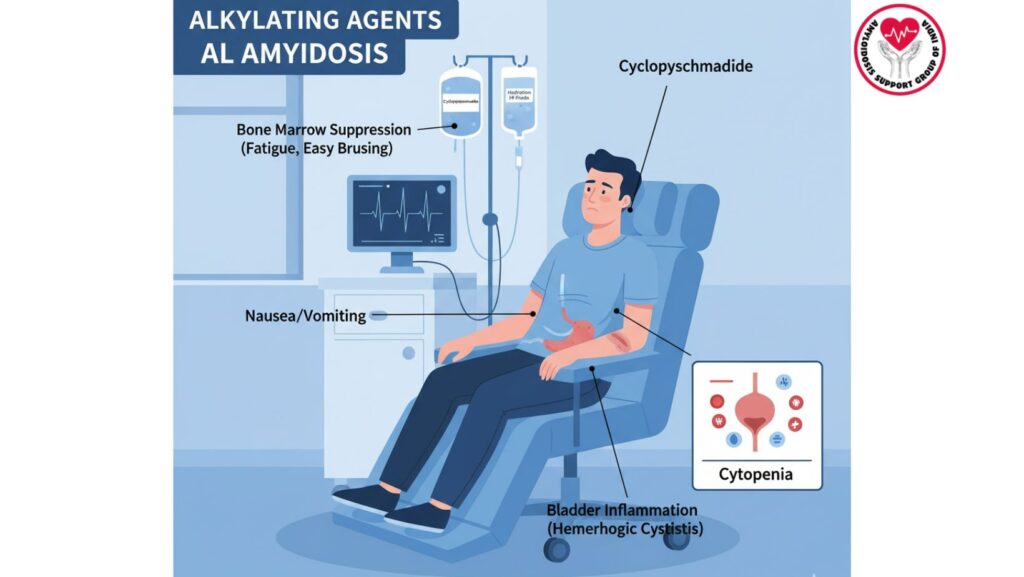
Table of Contents
Introduction
Alkylating agents like Cyclophosphamide and Melphalan are a part of AL amyloidosis treatment regimens, particularly combined with therapies like CyBorD (Cyclophosphamide, Bortezomib, Dexamethasone). They exert their effects through interference with DNA replication in aberrant plasma cells, lowering amyloidogenic light chain production.
Although effective, these drugs have serious side effects that affect patient quality of life and drug compliance. Knowledge of these toxicities, their pathophysiology, and management is crucial to patients, caregivers, and clinicians.
This review gives an in-depth description of:
- Mechanism of action of alkylating agents
- Alkylating agent side effects and clinical significance
- Monitoring and supportive care measures
- Lifestyle factors and patient education
- New therapies and substitutes
Mechanism of Action
Alkylating agents are cytotoxic and affect rapidly dividing cells such as aberrant plasma cells in AL amyloidosis.
- DNA Alkylation: Add alkyl groups to DNA, resulting in cross-linking and replication blockade
- Apoptosis Induction: Programmed cell death of plasma cells is induced due to DNA damage
- Combination Therapy: Routinely combined with proteasome inhibitors and steroids for synergistic effects
Clinical Benefit: - Kills amyloidogenic light chains early
- Can enhance organ function (kidney, heart, liver)
- Effective for transplant-eligible and non-transplant patients
Common Side Effects
1. Bone Marrow Suppression
- Symptoms: Fatigue, easy bruising, frequent infections
- Mechanism: Inhibition of hematopoietic stem cells inhibits formation of red cells, white cells, and platelets
- Management:
- Frequent CBC monitoring
- Dose changes in the case of severe cytopenia
- Blood transfusions or growth factors as required
- Infection prevention and hygiene practice
2. Nausea and Vomiting
- Symptoms: Mild to severe nausea, occasional vomiting
- Mechanism: Alkylating agents irritate the GI mucosa and stimulate the chemoreceptor trigger zone
- Management:
- Prophylactic antiemetics (ondansetron, metoclopramide)
- Small, frequent meals and good hydration
- Refraining from high-fat or spicy food during treatment
3. Bladder Inflammation (Hemorrhagic Cystitis)
- Symptoms: Painful urination, hematuria, urinary urgency
- Mechanism: Irritation of the bladder lining by extreme toxic metabolites such as acrolein
- Management:
- Proper hydration prior to and following chemotherapy
- Administration of Mesna in high-risk patients
- Increased frequency of micturition to flush the bladder
4. Other Side Effects
- Alopecia (hair loss) – Generally reversible
- Fatigue – May be cumulative with other anticancer drugs
- Mild liver toxicity – Needs monitoring of liver function
- Gastrointestinal disturbances – Diarrhea or constipation
Monitoring and Supportive Care
Clinical Monitoring
- Complete Blood Count (CBC): At the beginning of each cycle to pick up cytopenias
- Renal and Liver Function Tests: To identify early organ toxicity
- Urinalysis: To monitor hematuria that signals bladder inflammation
- Cardiac Monitoring: Particular attention in those with prior amyloidosis-associated cardiac involvement
Supportive Care Strategies
- Hydration protocols to avoid bladder toxicity
- Symptom diaries to monitor nausea, fatigue, or bleeding
- Early reporting of signs of infection to allow for early treatment
- Nutritional support for recovery and energy
Patient Education
- Early recognition is enhanced by understanding common and serious side effects
- Recognition of bleeding risk, infection symptoms, and bladder symptoms
- Hydration, dietary changes, and medication management: Clear instructions
- Education enables patients to become fully involved in decisions regarding treatment
Lifestyle Modifications
- Hydration: 2–3 liters of fluid per day to minimize bladder irritation
- Nutritional balance: High protein and micronutrient intake to aid bone marrow recovery
- Exercise: Gentle: To reverse fatigue and preserve physical function
- Stress management: Counseling, meditation, or yoga for emotional status
Controlling Long-Term Consequences
- Chronic cytopenias: May need regular transfusions or growth factors
- Intermittent bladder dysfunction: Follow-up care by urology regularly
- Fatigue: Gradual progression to daily activity with energy conservation
- Secondary malignancies: Regular long-term surveillance for patients with cumulative doses
New Therapies and Alternatives
- Targeted therapies: Immunomodulators, proteasome inhibitors, and monoclonal antibodies
- Low-toxicity alkylating agents: Ongoing research to limit cytopenias and bladder toxicity
- Combination regimens: Individualized to patient risk profile for optimal efficacy with less side effects
FAQs
Q1: Is everyone eligible for alkylating agents?
- Typically appropriate, but dose modification necessary in older or frail patients
Q2: How severe is bone marrow suppression?
- Usually mild to moderate; severe instances necessitate dose adjustment and supportive care
Q3: Can hemorrhagic cystitis be prevented?
- Yes, with adequate hydration and Mesna in high-risk patients
Q4: Are side effects reversible?
- Most side effects resolve after therapy completion, but persistent neuropathy or bladder irritation can occur rarely
Conclusion
Alkylating agents remain a mainstay in AL amyloidosis therapy, effectively targeting abnormal plasma cells. Awareness of common side effects—bone marrow suppression, nausea, and bladder inflammation—is essential for optimal patient care.
Monitoring, supportive care, and patient education are essential to ensure treatment compliance and enhance quality of life. As research continues into safer regimens and targeted therapies, treatment for AL amyloidosis is constantly improving, with improved outcomes and less toxicity.