Fever in AL Amyloidosis Patients
Understanding Why Fever Is a Serious Sign
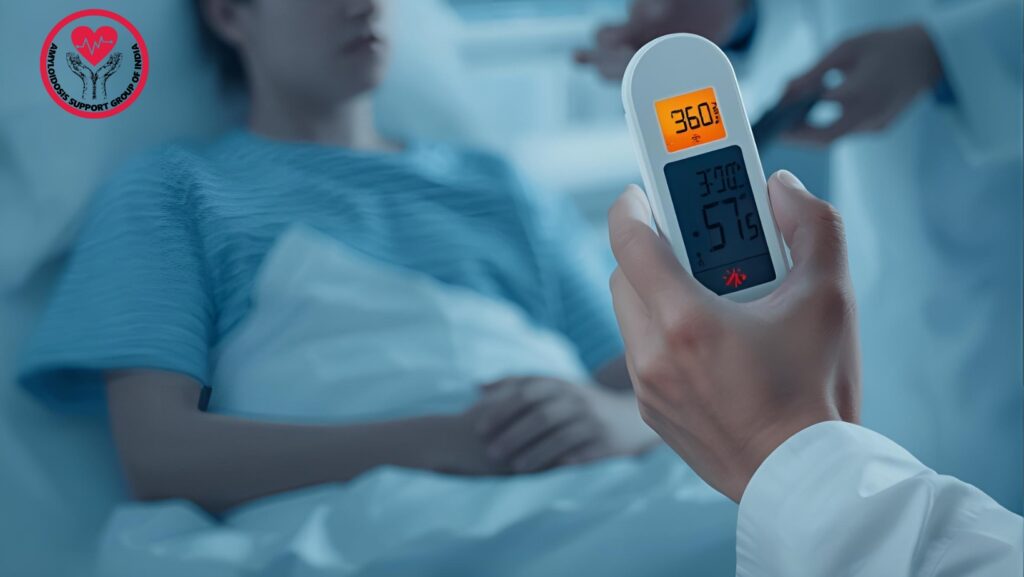
Fever is one of the most important warning signs for anyone living with AL amyloidosis, especially those undergoing chemotherapy. Even a seemingly “simple fever” can signal a life-threatening infection, particularly when the immune system is weakened.
In AL amyloidosis, fever should never be overlooked, and prompt action can be lifesaving. This article explains why fever is dangerous, what symptoms to watch for, when to go to the hospital, and how patients can protect themselves.
This guide is for patients, families, and caregivers seeking clear information. For personalized medical advice, always follow your doctor’s recommendations. More resources can be found at Amyloidosissupport.in.
Why AL Amyloidosis Patients Are More Vulnerable to Fever
People with AL amyloidosis are more prone to infections for several reasons:
- Bone marrow may be weakened due to the disease or chemotherapy.
- White blood cells (WBCs) decrease, especially neutrophils.
- Antibodies (immunoglobulins) are low.
- Organs like the kidneys, heart, and lungs may be affected.
- Chemotherapy harms healthy immune cells along with abnormal plasma cells.
This combination lowers the body’s ability to fight infections and manage inflammation.
In this context, fever can be the first—and sometimes the only—warning sign of a serious infection.
What Fever Means in an AL Amyloidosis Patient
In a healthy person, fever usually means the body is fighting a cold or mild infection. But in AL amyloidosis:
- Fever may present before any other symptom arises.
- Fever can be the only warning sign of a severe bacterial or fungal infection.
- Infections can become life-threatening within hours.
- Some infections might not show clear symptoms due to weakened immunity.
A fever in an immunocompromised patient is a medical emergency, not something to monitor without action.
What Temperature Is Considered a Medical Emergency
Any of the following warrant immediate attention:
- 38.0°C (100.4°F) or higher once
- 37.8°C (100°F) sustained for one hour
- Any fever accompanied by chills, shaking, or sweating
- Any elevated temperature combined with low blood counts
If any of these occur, the patient must be seen right away.
Neutropenic Fever: Why It Is So Dangerous
Neutropenia means low neutrophils, a type of white blood cell crucial for fighting bacteria.
If neutrophils are low:
- A common infection can quickly turn deadly.
- Symptoms may be mild or hidden.
- Fever may be the only indication of a problem.
Neutropenic fever requires immediate hospital care, often including:
- IV (intravenous) antibiotics
- Blood cultures
- Chest X-ray or CT scan
- Monitoring of vital signs
- Fluids and supportive treatment
Delaying treatment raises the risk of severe complications.
Symptoms That May Accompany Fever
Even mild symptoms are significant. Watch for:
- Chills or shaking
- Shortness of breath
- New cough
- Chest discomfort
- Extreme fatigue
- Confusion or dizziness
- Burning when urinating
- Lower abdominal pain
- Back pain
- Headache
- Mouth sores
- Unusual bleeding or bruising
- Rapid heart rate
- Low blood pressure
- Diarrhea or vomiting
Any of these combined with fever is an urgent matter.
When Fever Means You Must Go to the Emergency Room Immediately
You should seek emergency care right away if:
- Fever is 38°C (100.4°F) or higher
- Fever is accompanied by chills or rigors
- Fever occurs during a chemotherapy cycle
- Fever is present with low WBC or neutrophils
- Fever is combined with severe fatigue or confusion
- Fever includes respiratory symptoms
- Fever is accompanied by vomiting or inability to drink fluids
Patients must inform emergency doctors: “I am an AL amyloidosis patient on chemotherapy. I may be neutropenic.” This information will influence how quickly they are evaluated and treated.
Why Infections Spread Faster in AL Amyloidosis
In AL amyloidosis, infections escalate more rapidly because:
- Neutrophils are low.
- Antibodies are low.
- Inflammation signals may be suppressed.
- The body struggles to respond with normal immune strength.
- Stressed organs handle infections poorly.
- Chemotherapy further weakens the immune system.
This is why early fever detection and prompt treatment are critical.
Most Common Types of Infections That Cause Fever
AL amyloidosis patients frequently develop the following infections:
Respiratory infections
- Pneumonia
- Bronchitis
- Sinus infection
- Viral infections
Urinary infections
- Bladder infection
- Kidney infection
Bloodstream infections (sepsis)
- Can develop rapidly
- Often life-threatening
Skin infections
- Cellulitis
- Abscesses
Fungal infections
- Thrush
- Lung fungal infections
For each type of infection, fever may appear early—even before other symptoms show.
Why Blood Tests Matter During Fever
Doctors typically order:
- Complete Blood Count (CBC)
- Checks WBC, neutrophils, hemoglobin, platelets
- Blood cultures
- Detects bacteria or fungi in the blood
- Urine test and culture
- Chest X-ray or CT scan
These tests help find the source of infection and guide treatment.
What Happens at the Hospital When You Have Fever
A patient with AL amyloidosis and fever gets urgent treatment. The steps may include:
- Immediate triage
- Blood cultures and lab tests
- IV antibiotics started within 1 hour
- Fluid support
- Monitoring oxygen, blood pressure, and heart rate
- Chest X-ray or CT for possible lung infection
- Urine tests and cultures
- Possibly antiviral or antifungal medication
- G-CSF injection if neutropenic
The goal is to control the infection before it spreads.
Fever and Sepsis
Sepsis is a severe response to an infection that spreads throughout the body.
Warning signs of sepsis include:
- Fever or very low temperature
- Rapid heartbeat
- Low blood pressure
- Confusion
- Extreme weakness
- Sweating
- Difficulty breathing
Sepsis is life-threatening and requires urgent hospitalization.
Fever After Chemotherapy: What You Must Know
Fever after chemotherapy usually indicates one of two things:
- A new infection (most common)
- A reaction to chemotherapy or low blood counts
Chemotherapy medications such as:
- Bortezomib
- Cyclophosphamide
- Daratumumab
- Lenalidomide
- Pomalidomide
can severely weaken the immune system. Even a slight fever during a chemotherapy cycle is concerning.
Why Antibiotics Are Often Given Immediately
Doctors don’t wait for test results. They start treatment early because infections can progress quickly.
You may receive:
- Broad-spectrum IV antibiotics
- Antifungal medications if necessary
- Antivirals in specific cases
If tests reveal a specific infection, treatments may be adjusted.
How Organ Involvement Affects Fever
AL amyloidosis can impact multiple organs:
- Heart – affects blood pressure response
- Kidneys – affects infection elimination
- Liver – affects detoxification
- Lungs – increases infection risk
- GI tract – weakens immunity
Organ involvement makes fever harder to manage and more dangerous.
Preventing Fever and Infections: Daily Precautions
To lower the risk:
- Wash hands often
- Avoid crowds during high-risk times
- Stay away from those with cough, cold, or fever
- Wear a mask if white blood cell counts are low
- Maintain oral hygiene
- Avoid raw or undercooked food
- Stay hydrated
- Get enough rest
- Monitor for UTI symptoms
- Keep your home clean
- Avoid gardening or touching soil when neutropenic
- Prevent pets from licking your face or hands
Prevention is the best protection.
Food Safety Tips
Foodborne infections can cause fever. Follow these guidelines:
- Wash fruits and vegetables thoroughly
- Avoid raw meat and raw eggs
- Avoid unpasteurized milk or cheese
- Cook food fully
- Store food properly
- Don’t eat street food during chemotherapy
These precautions significantly reduce the risk of infection.
Temperature Monitoring at Home
Patients should:
- Check their temperature daily during chemotherapy
- Use a digital thermometer
- Keep a fever log
- Notify the doctor early if the temperature rises
Early detection can save lives.
When to Call Your Doctor
Call immediately if you have:
- Fever of 38°C or higher
- Chills or shaking
- New cough or shortness of breath
- Burning with urination
- Diarrhea or vomiting
- Severe fatigue
- Mouth sores
- Chest discomfort
Even mild symptoms can signal a serious infection.
When to Avoid Self-Medication
Never use:
- Over-the-counter antibiotics
- Painkillers without consulting your doctor
- Herbal supplements during chemotherapy
These can interfere with treatment or mask symptoms.
Traveling Tips for AL Amyloidosis Patients
If traveling:
- Bring all medications
- Keep a fever action plan
- Avoid crowded public transport
- Stay hydrated
- Wear a mask in enclosed spaces
- Know the nearest hospital
Travel only if your doctor approves.
How Caregivers Can Help
Caregivers play a key role:
- Monitor for fever
- Ensure medication adherence
- Keep a clean environment
- Protect the patient from sick visitors
- Watch for symptoms
- Accompany the patient to the hospital
- Provide emotional support
Patients tend to recover faster with supportive care.
Emotional Impact of Frequent Fever Episodes
Living with AL amyloidosis can be mentally exhausting. Fever episodes often lead to:
- Anxiety
- Fear
- Stress
- Sleep disturbances
- Caregiver fatigue
Mental health support is just as important as physical care.
Support Systems That Help
Patients can benefit from:
- Support groups
- Online forums
- Counseling services
- Family involvement
- Educational websites like Amyloidosissupport.in
You are not alone in this journey.
What to Discuss With Your Doctor
Before or during treatment, ask your doctor:
- What is my infection risk?
- What temperature should I report?
- What should I do if I develop a fever at night?
- Can I take paracetamol?
- Do I need G-CSF?
- Should I avoid certain foods?
- Can I travel while on treatment?
- Should I take preventative antibiotics?
Clear communication enhances safety.
Key Takeaways
- Fever is a medical emergency in AL amyloidosis.
- Seek help immediately.
- Neutropenia increases the risk.
- Infections can progress rapidly.
- Early treatment saves lives.
- Prevention and awareness reduce risks.
Patients and caregivers should remain vigilant and prepared.
Final Words of Support
Fever episodes can be alarming, but knowing what actions to take, when to respond, and how to prevent infections empowers patients and families. With proper care, timely treatment, and strong support, many complications can be avoided.
For more guidance, visit Amyloidosissupport.in.