Why Virtual Amyloidosis Clinics Are the Future in India
Table of Contents
Understanding Amyloidosis and the Challenge of Access in India
Amyloidosis is a rare and complex disease that impacts multiple organs and requires coordinated care across various specialties. In India, the condition’s rarity means that only a few centers and doctors have extensive experience treating it. Patients often travel long distances to see specialists, which leads to delays, financial strain, and exhaustion. This lack of access is a significant barrier to timely diagnosis and ongoing care.
Why Traditional Hospital-Centric Care Falls Short
Most amyloidosis patients need regular follow-ups, frequent lab monitoring, medication adjustments, and insights from various specialists. Relying only on physical hospital visits leads to long waiting times, crowded clinics, and disruptions in care. For patients with heart or kidney issues, traveling frequently can worsen their symptoms and overall quality of life.
What Are Virtual Amyloidosis Clinics
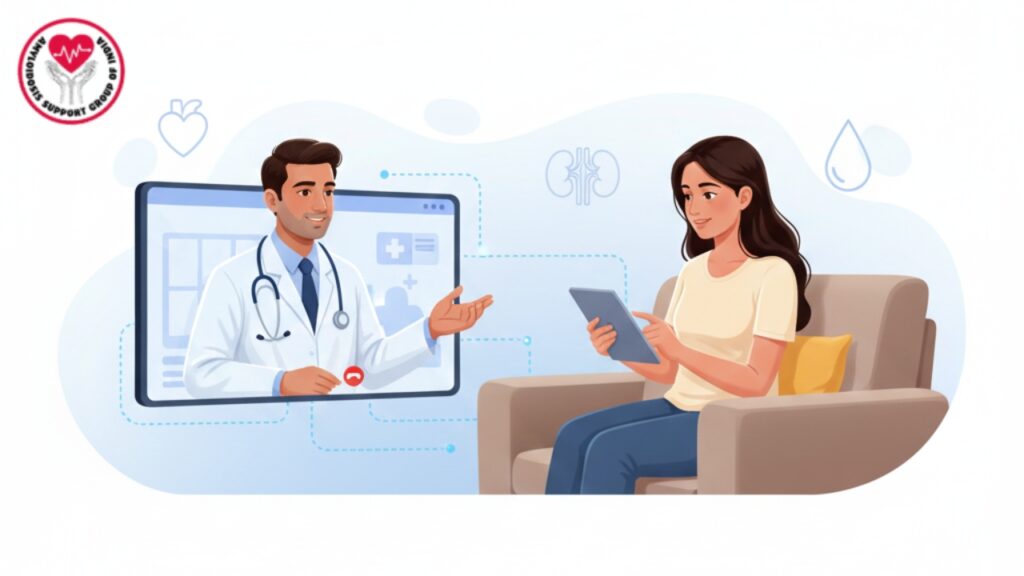
Virtual amyloidosis clinics are organized telemedicine programs where patients consult a team of specialists remotely. These clinics offer video consultations, digital medical records, remote lab monitoring, and collaboration among doctors in different locations. They are not casual video calls but structured systems designed for managing complex chronic diseases.
Bridging the Urban-Rural Healthcare Divide
One of the strongest reasons for virtual clinics in India is geography. Many patients live in Tier 2 and Tier 3 cities or rural areas where there is no expertise in amyloidosis. Virtual clinics allow these patients to receive expert guidance while continuing basic care and investigations locally. This approach significantly reduces their travel burden while maintaining quality.
Early Diagnosis Through Wider Medical Awareness
Virtual clinics can also act as educational centers. Local doctors can participate in case discussions, learn to identify warning signs, and refer suspected cases sooner. Over time, this shared knowledge shortens the diagnostic delay that many Indian patients currently face.
Multidisciplinary Care Without Physical Boundaries
Managing amyloidosis involves hematologists, cardiologists, nephrologists, neurologists, dietitians, and sometimes endocrinologists. Virtual clinics enable these specialists to meet at the same time, review reports together, and agree on a unified treatment plan. Achieving this in fragmented physical settings can be challenging.
Continuity of Care for a Lifelong Condition
Amyloidosis is often a long-term condition requiring ongoing monitoring rather than a one-time treatment. Virtual clinics ensure continuity by keeping all reports, treatment timelines, and clinical notes in a single digital system. This consistency prevents contradictory advice and helps build long-term trust between doctors and patients.
Supporting Patients During Treatment Transitions
Changing therapies, such as moving from first-line chemotherapy to newer targeted treatments, requires careful planning and monitoring. Virtual clinics allow closer observation during these transitions, quicker reporting of side effects, and timely dose adjustments without unnecessary hospital visits.
Psychological Safety and Emotional Support
Living with a rare disease can feel isolating. Virtual amyloidosis clinics often include counseling sessions, peer support meetings, and patient education webinars. Knowing that expert help is just a call away reduces anxiety and encourages patients to take an active role in their care.
Cost Efficiency for Patients and the System
Frequent hospital visits, travel, accommodation, and lost workdays can create significant financial stress. Virtual clinics greatly cut down on these indirect costs. From a system perspective, they make better use of specialist time and reduce overcrowding in larger hospitals.
Role of Technology in Enabling Virtual Clinics
Secure video platforms, digital lab uploads, wearable health data, and electronic medical records are essential for virtual clinics. In India, the rise of smartphone use and better internet access make this model more viable than ever.
Data-Driven Decision Making
Virtual clinics allow for structured data collection over time. Trends in heart markers, kidney function, and light chain levels can be monitored digitally, allowing for proactive care rather than reactive solutions. This data-driven method improves outcomes and research insights.
Training the Next Generation of Doctors
Virtual amyloidosis clinics can provide valuable experience for medical residents and fellows. This exposure helps build future expertise, increasing the number of doctors who can recognize and manage amyloidosis confidently.
Collaboration With Local Hospitals
Virtual care does not replace local hospitals; it enhances them. Local doctors conduct exams, provide treatments, and handle emergencies, while virtual specialists offer guidance. This teamwork respects local realities while improving care standards.
Ensuring Patient Safety and Ethical Practice
Concerns about telemedicine safety are valid. Structured virtual clinics adhere to protocols that outline clear escalation paths, emergency referrals, and documented consent to ensure patient safety and ethical practices.
Overcoming Language and Cultural Barriers
India’s diversity requires culturally sensitive care. Virtual clinics can provide translators, consultations in regional languages, and local educational materials, making care more inclusive and understandable.
The Role of Patient Support Groups
Patient organizations are crucial for the success of virtual clinics. They help onboard patients, educate families, collect feedback, and advocate for policy support, ensuring that clinics remain focused on patient needs.
Policy and Regulatory Support in India
India’s telemedicine guidelines create a legal framework for virtual care. Ongoing policy support, insurance recognition, and partnerships can speed up the adoption of virtual amyloidosis clinics across the country.
Addressing Digital Literacy Challenges
Not every patient feels comfortable with technology. Successful virtual clinics invest in user-friendly interfaces, provide step-by-step guidance, and involve caregivers to ensure that all patients can participate.
Emergency Handling in a Virtual Model
Creating clear protocols for serious symptoms, such as sudden breathlessness or swelling, is essential. Virtual clinics must define when immediate physical evaluation is necessary and quickly coordinate referrals to nearby facilities.
Measuring Outcomes and Quality
Success should be measured through patient feedback, reduced hospital visits, timely treatment changes, and improved quality of life. Regular evaluations will help ensure that virtual clinics continue to grow and get better.
Building Trust in a New Care Model
Trust is built through consistency, transparency, and responsiveness. When patients experience prompt advice, coordinated care, and genuine empathy, virtual clinics earn credibility, even among those who are traditionally skeptical.
The Future Vision for India
As awareness of rare diseases increases, virtual amyloidosis clinics can become centers of excellence—connecting patients, doctors, researchers, and support systems across the nation.
Integrating Research and Clinical Care
Virtual platforms make it easier to create patient registries and conduct observational studies. With consent, anonymous data can advance research and attract global collaborations focused on the realities faced by Indian patients.
Equity in Rare Disease Care
Virtual clinics promote equity by minimizing dependence on geography, income, and mobility. Every patient, regardless of their location, gains access to informed decision-making.
Challenges That Still Remain
Connectivity issues, inconsistent local infrastructure, and varying acceptance among clinicians continue to pose challenges. A mixed model that combines virtual care with periodic physical assessments may provide the best solution.
Why the Shift Is Inevitable
The complexity of amyloidosis, along with India’s size, makes traditional centralized care unsustainable. Virtual clinics are essential to meet both current and future needs.
What Patients Should Expect From a Virtual Amyloidosis Clinic
Patients can expect organized consultations, clear follow-up plans, coordination with local doctors, and easy access to guidance between visits.
Empowering Patients as Partners
Virtual care encourages patients to understand their reports, track their symptoms, and ask informed questions. This collaboration improves adherence and outcomes.
A Call to Build Connected Care
The future of amyloidosis care in India relies on connection—between cities and villages, specialists and generalists, medicine and humanity. Virtual amyloidosis clinics represent this connected future, offering hope, access, and continuity to those who need it most.